Chiropractic care · Verwood, Dorset
Sports Injury Chiropractor in Verwood, Dorset
We offer precise, technology-assisted chiropractic treatment for minor sports injuries, working alongside your conventional rehab. Developed over 32 years of clinical practice.
Book a free 15-minute assessment
15 minutes, no obligation. We'll tell you honestly if we can help.
How we approach recurring sports injuries
Minor sports injuries are one of the things we can help with. The word minor is doing real work in that sentence. A significant muscle or ligament tear needs its own healing time and a different route, and we will tell you at the assessment if that is what you have.
What we see most is the niggle that keeps returning to the same spot. It settles, training goes back up, and it fails again in the same place. That pattern points at something structural rather than at the tissue that hurts.
Read moreShow less
So, we aim to stabilise the structure first, then build back up in stages. Loading an area that is not stable, too hard and too early, is a good way to end up back where you started. Our work sits alongside conventional sports rehab rather than replacing it.
The approach was shaped in elite sport, where a recovery and stability are vital for an early return to activity. The clinic’s advisory Board includes the longest-serving doctor in the football league, currently the medic for a Championship club. The same thinking applies whether you play on a Sunday or for a living.
- Steady the structure first, then a graded return to training
- Works alongside conventional sports rehab rather than replacing it
- Shaped in elite sport, including professional football
- A realistic, individual timescale, given to you at the assessment
- An honest answer if what you have needs a different route
The adjustment
Gentle, considered care
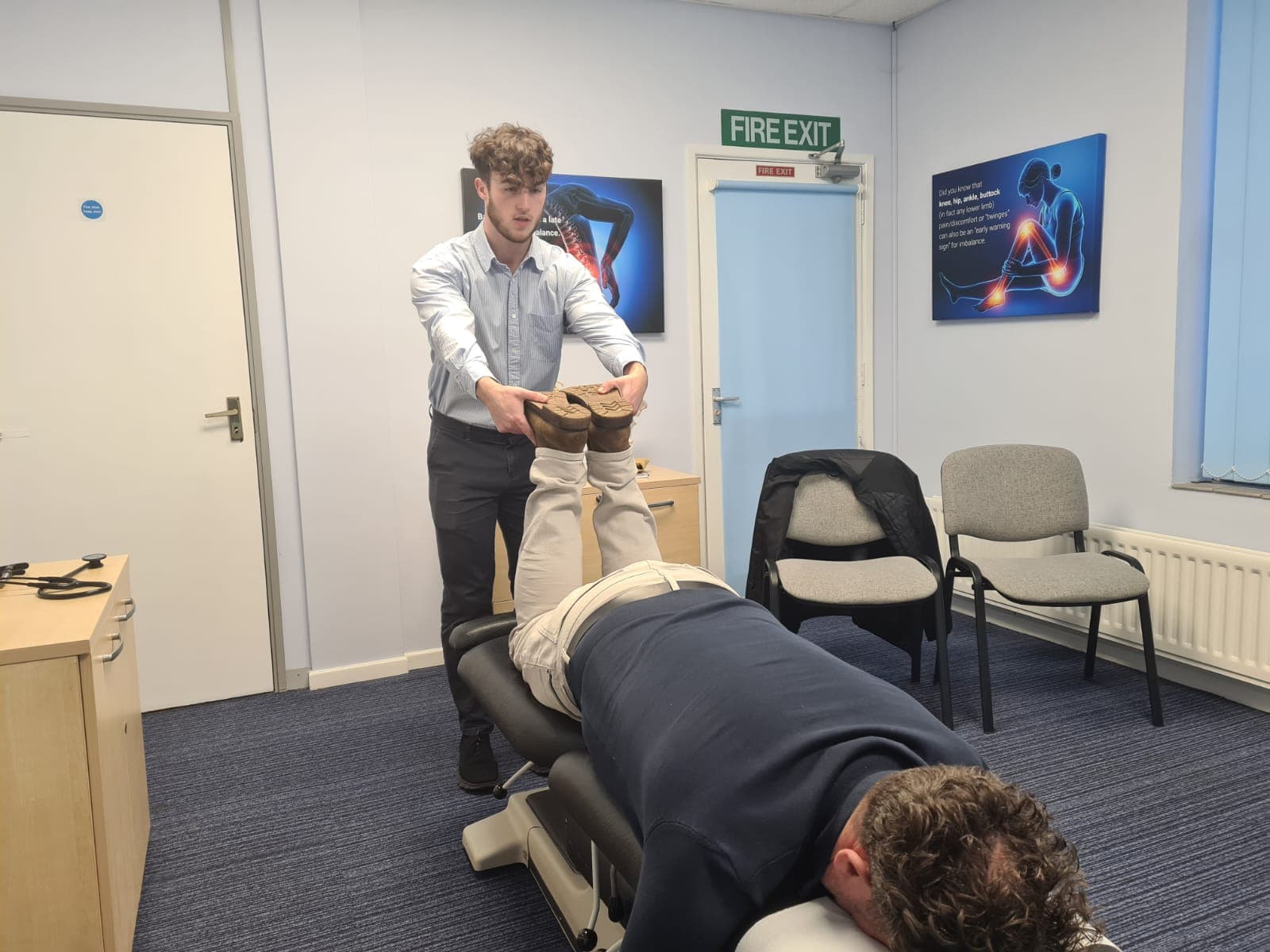
Every adjustment is made with instruments, which lets us put a small, controlled amount of movement into one specific joint therefore being very precise and repeatable. That precision is the point: and attention to details gives the best result in our experience. We have found this delivers the most comfortable, considered, easy and rapid response. When you are treated, you either lay flat face down or stay sitting upright, fully clothed, and each step is explained before it happens.
Why Frameworks
A unified technique developed over 32 years
Frameworks Clinic was started by Dr David Eldridge, who trained as a physiotherapist before he qualified as a chiropractor, and spent years involved in elite sport. Every clinician at the clinic follows the same written protocols, so what you get does not depend on who you happen to be booked in with. Behind the clinic sits an advisory Board covering orthopaedic medicine, mental health and current research. The aim of the Board is to make recovery comfortable, easy considered, and as rapid as possible.
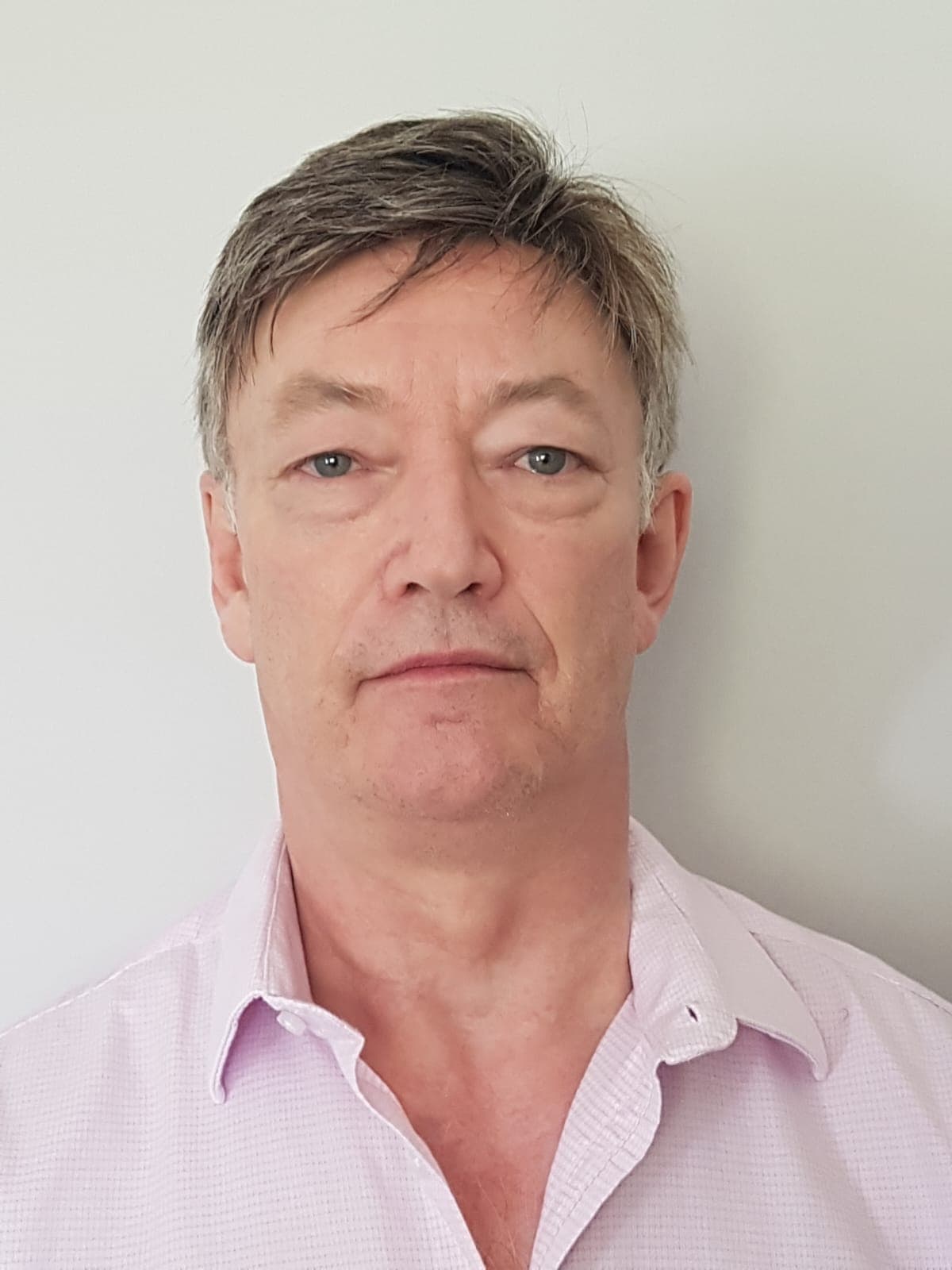
Dr David Eldridge
Founder, 32 years in practice
Read bio
David trained as a physiotherapist before he qualified as a chiropractor. He built the method the clinic runs on, and spent years working in elite sport. He still treats patients in his consultancy clinics and chairs the advisory Board. BSc Chiropractic, Doctor of Chiropractic, GCC registered (No. 00206). Member of the Royal College of Chiropractors and the British Chiropractic Association.
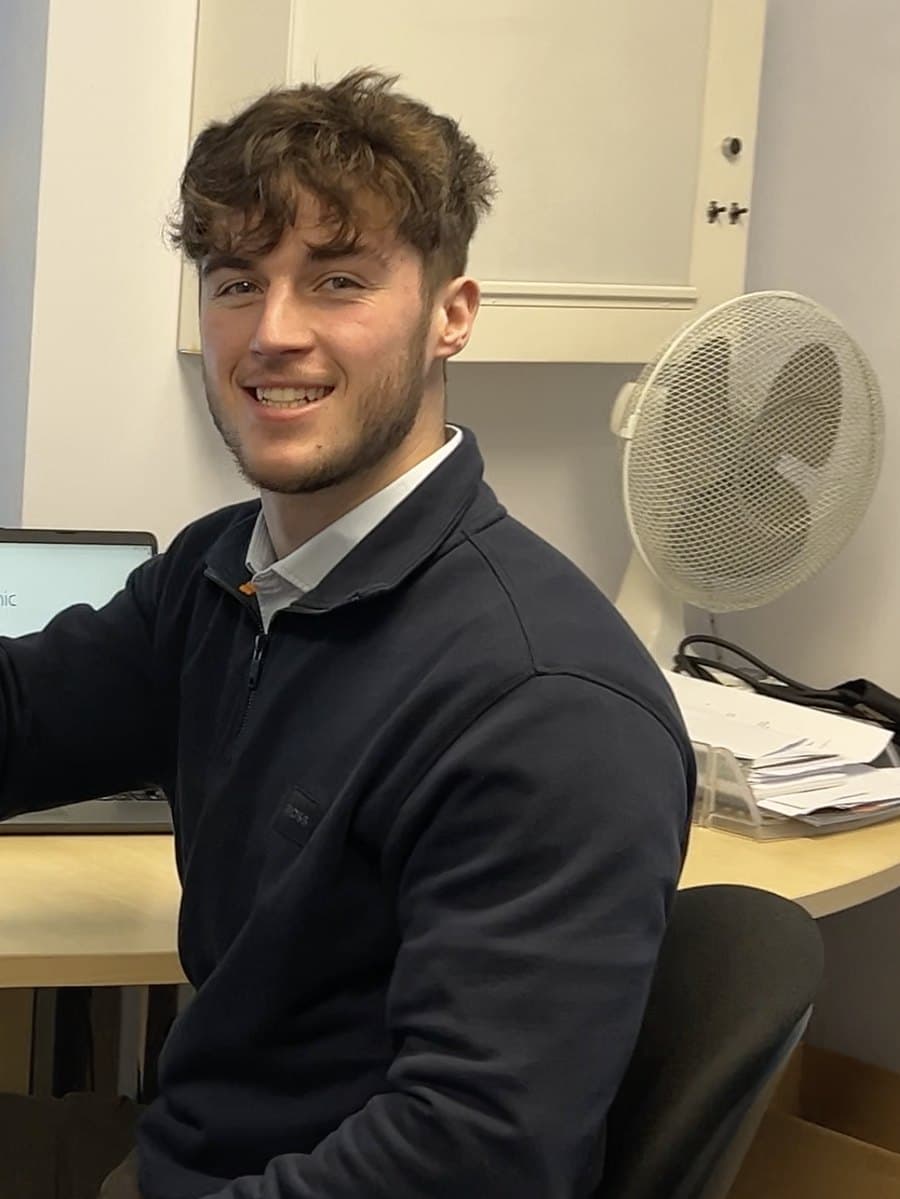
Dr Joe Sanyal
Clinic lead practitioner
Read bio
Joe runs the day-to-day clinical work and is who you are most likely to be booked in with. He was treated by David as a teenager, which is what inspired him into chiropractic. Before seeing patients independently, he benefited from the rare opportunity to observe hundreds of cases alongside David. While most practitioners gain experience primarily through treating their own patients, this extensive period of observation allowed him to develop a remarkably detailed understanding of the Frameworks approach and its practical application. GCC registered (No. 06124), and a member of the British Chiropractic Association.
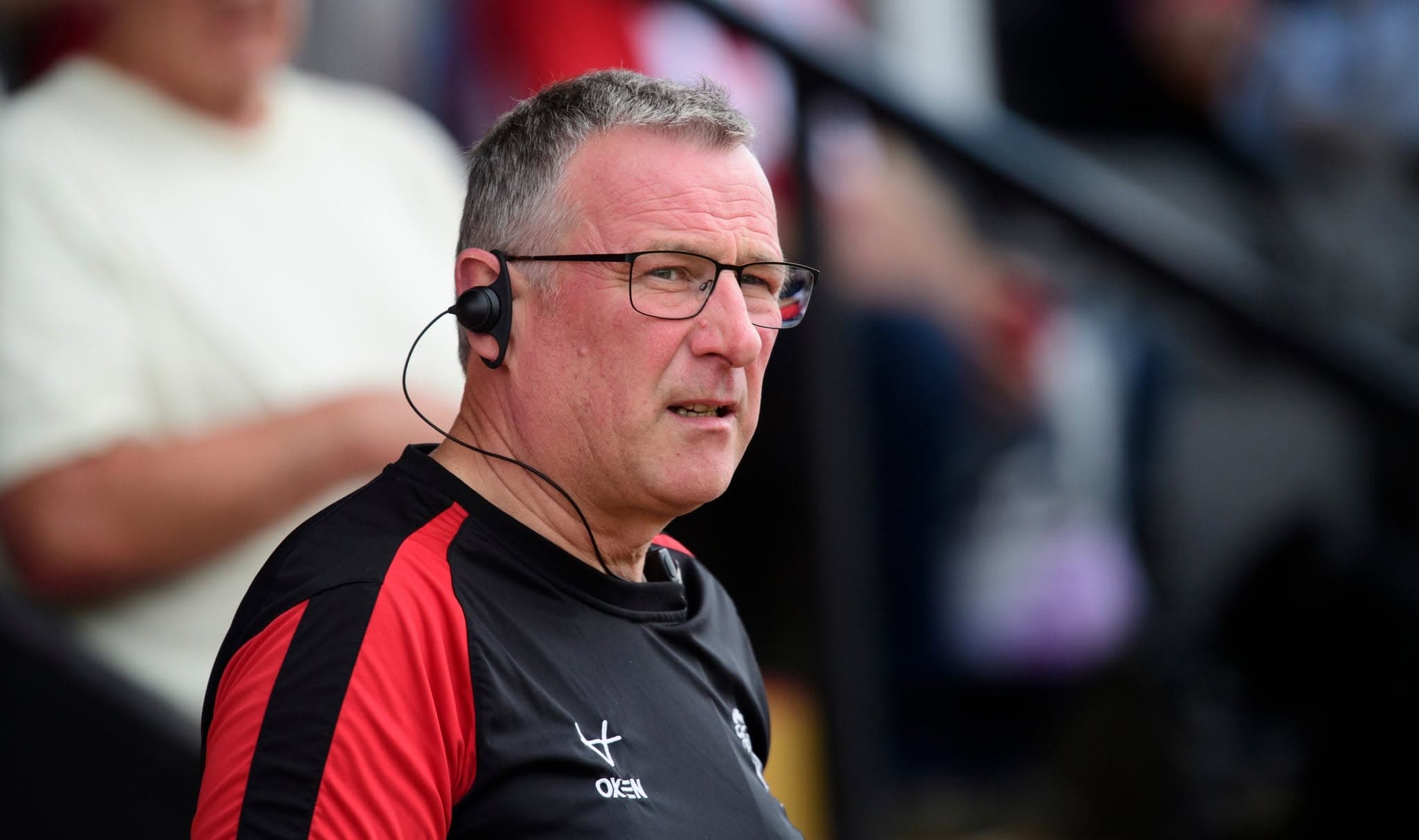
Dr Chris Batty
Advisory Board, orthopaedic and MSK medicine
Read bio
A GP specialising in orthopaedics and MSK conditions, who met David on the Sports Medicine Masters course. He is the longest-serving doctor in the football league and the current medic for a Championship club. He referred patients to the clinic because of the reliability of the results.
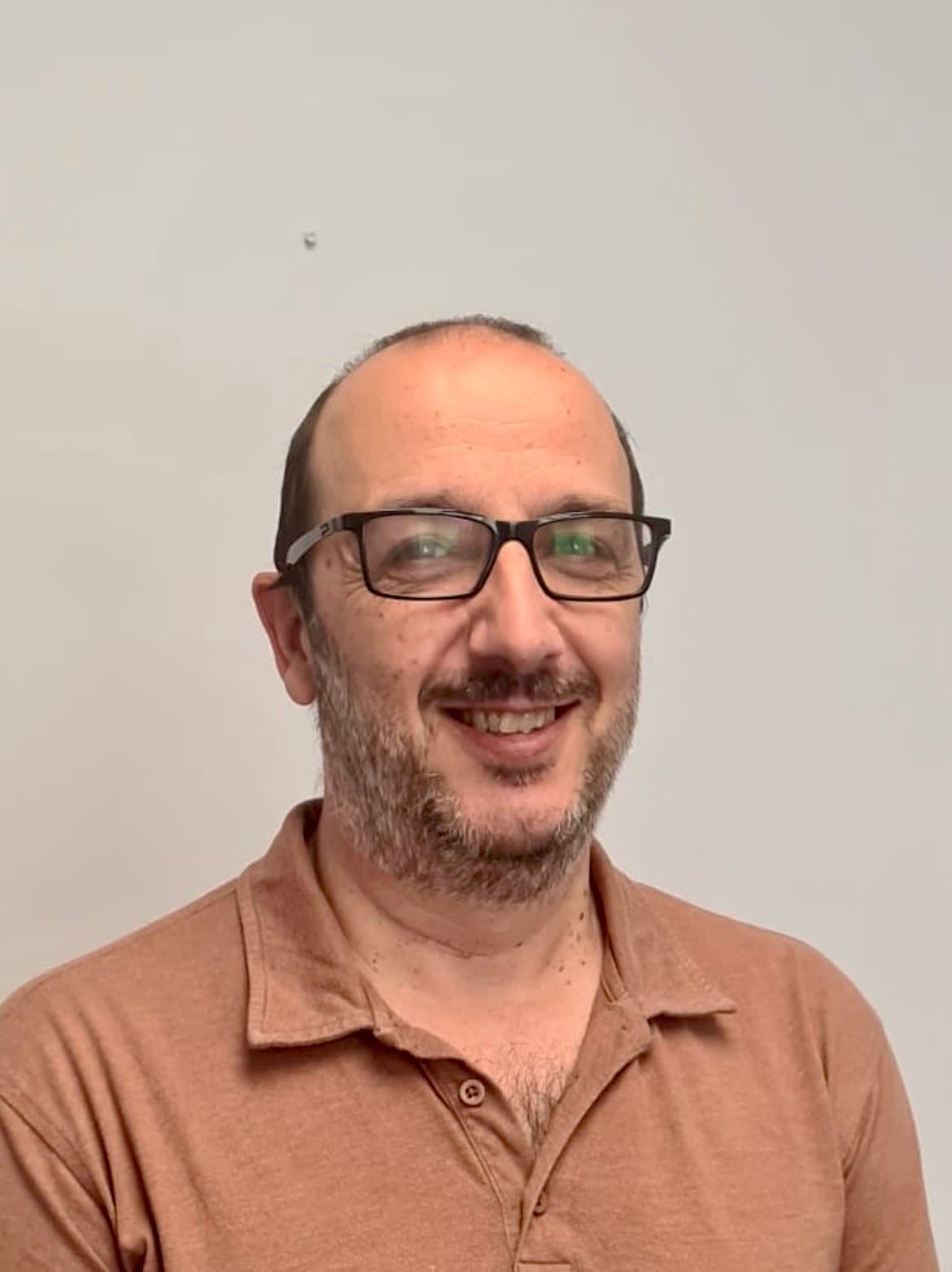
Paul Maxwell-Bown
Advisory Board, mental health and wellbeing
Read bio
A mental health specialist whose work on the Board covers the psychological toll of long-term joint pain, and the effects on recovery. He had been through this with his experiences of the NHS as a patient himself. His experience with Frameworks was very different and he wanted to help others understand this.
How It Works
Step one. A free 15-minute assessment
You come in, you tell us what's going on, and we check whether we can help. It takes fifteen minutes and it costs nothing. If your condition is unsuitable for our approach, we will direct you to an appropriate healthcare practitioner. It's unusual that we can't help, but it happens, and we want you to be able to address your pain as quickly as possible.
Step two. Your examination and first treatment
A full history and examination, is essential, so we know exactly what we're dealing with. This is where the attention to detail is vital. Your first treatment, usually follows immediately afterwards. You'll leave knowing what we found and what we're going to do about it. 30 minutes.
Step three. Three more treatments
Short, precise sessions, roughly weekly. Each one starts by checking what changed since the last, and each one builds on the previous treatment. We're taking the strain off the joint and stabilising it so it stops being irritated. 15 minutes each.
Step four. Review and discuss Management Approach
The Foundation Phase (4 treatments) is now completed. We expect, as with all long-term pain, that we will need to see you occasionally to manage your condition and prevent it from returning as far as we are able. The timings of these treatments are unique to you and your condition. We aim to minimise this as much as possible.
Our mandatory review
Every course has a compulsory review at the fourth appointment
We have always done this. At your fourth appointment we look at whether your pain has eased, whether you can do more, or both.
If nothing has changed, we refer you for further clinical investigation rather than carry on treating.
85%
of patients did not need further clinical investigation at their review
4
treatments in the Foundation Phase, including the review. A defined course, not an open-ended plan.
64%
had already tried other therapies before they came to us
Almost70%
came to us with back pain. It is what we deal with day in, day out.
From the clinic's own audit of the last 100 patients who completed the Foundation Phase.
What our patients say
Real, verified reviews from the people we treat, on Google.
Esther Skinner
Excellent service. I always feel listened too and have any required treatment explained fully. I never feel pressured to rebook but rather genuinely cared for.
Ashley Hockley
Very professional polite service. Dr Sanyal was excellent and the service was excellent as well I couldn't recommend them enough
Andrew Woodhouse
Excellent treatment and service again today. I have been a patient for around 20 years and cannot recommend highly enough.
Frequently Asked Questions
It depends on the injury. Once we've assessed it, we'll give you a realistic, individual timescale and a graded plan to get you back safely. A minor issue may settle quickly. Anything involving a significant muscle or ligament tear needs its own healing time.
Recurring injuries point at a structural pattern rather than at the tissue that hurts. The structure is not steady, so it fails at the same point under load. That pattern is what we examine for, and steadying it is what we treat.
Sport loads your joints hard and often. Tiny forces, what we call microtrauma, build up faster in active people, and a small change in one joint creates pressure further along the chain, in the hamstring, knee or hip. Those small changes are what a check-up is looking for, before they turn into something that stops you playing.
This is the question we hear most, and it is rarely because someone has not tried hard enough. What we look for at the examination is whether a joint is out of the position it should sit in. That is what we focus on in our approach. We don’t encourage extra movement in the joint but we aim to change its position, we find this tends to allow better function and we aim to stabilise the joint before any loading, exercises or stretches. Many of our patients go back to exercise and we encourage them once they feel comfortable to do so.
No. Adjustments are made using instruments that allow us to create very small, precise movements. This emphasises what we believe is the need for gentle, easy and considered care.
There is no cracking, forceful thrust or sudden manipulation. When you are treated, you either lie flat on your front or remain seated upright, fully clothed.
Pricing
We're upfront about what treatment costs. The free assessment means you can decide with no financial commitment.
Free 15-minute assessment
Your first visit. We check whether we can help. No treatment, no obligation.
Free
Examination & Treatment (Clinic Lead Practitioner)
Full history, examination, and first treatment (30 min)
£75
Examination & Treatment (Consultant)
Full history, examination, and first treatment (30 min)
£84
Follow-up Treatment (Clinic Lead Practitioner)
15-minute treatment session
£51
Follow-up Treatment (Consultant)
15-minute treatment session
£60
The Foundation Phase is four sessions, £228 in total, and you will know that before you agree to anything. Insurance receipts available for chiropractic cover.
Areas We Cover
We treat patients from across the villages and towns around Verwood. Click your area for local information.
Other Conditions We Treat
Book a free assessment
15 minutes, no cost, no obligation. We'll tell you honestly if this approach is right for your situation.