The Frameworks method
Gentle chiropractor in Verwood, Dorset
Your clinician will discuss the suggested treatment plan with you. The technology supports that plan by assisting us to deliver gentle precise joint positioning during treatment. The technology is used to deliver repeatable adjustments which make it easy to implement consistent care.
The principle behind all of it is simple: treat as little as we possibly can to make a clinical change. The least intervention that does the job, comfort and easy being the focus of our delivery and we feel gives the most rapid response.
How it works
The Foundation Phase
The same four stages run whether the problem is in the lower back and lower limb or the upper back and upper limb. What happens at each stage will be dependent upon what we see in the examination.
Step 1
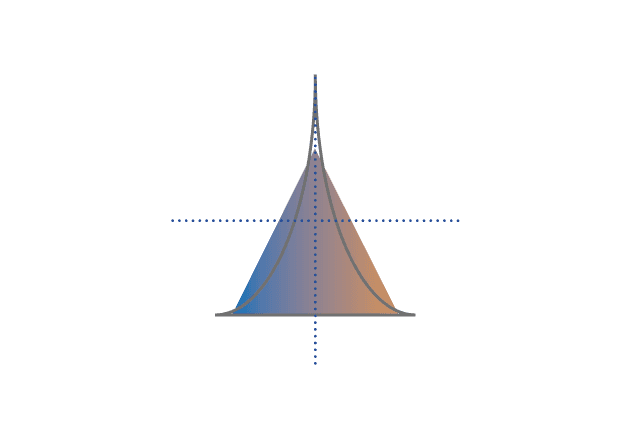
Addressing Hip / Lower Neck Alignment
We start at the pelvis, or at the lower neck for an upper-body case. We measure how it is sitting, then make very small, precise adjustments to the specific joint that is out of position.
Step 2
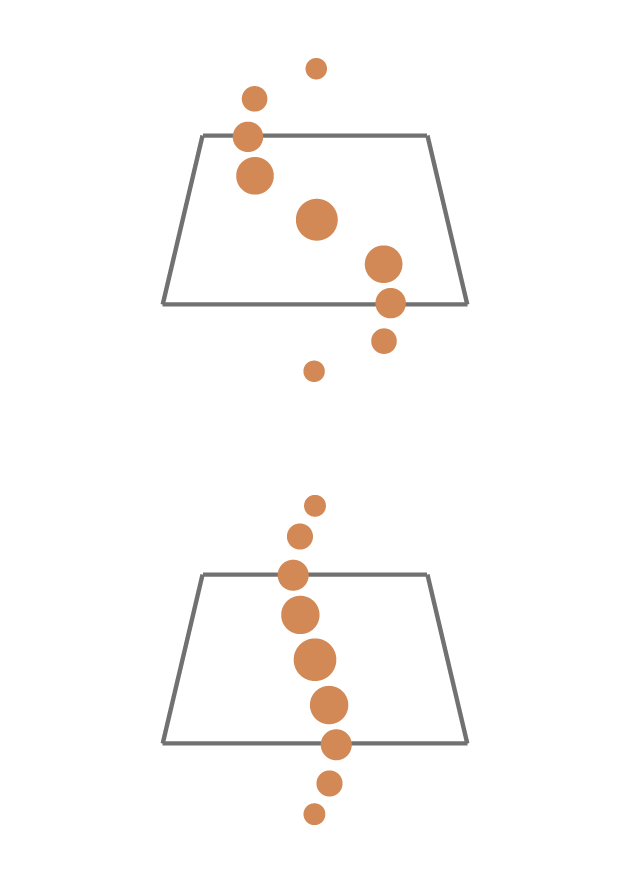
Supporting Side-to-Side Spinal Balance
Next the lateral plane, which is the side-to-side balance of the spine. Same technique, same instrument, a different joint. What we find is written down so it can be checked again next time.
Step 3
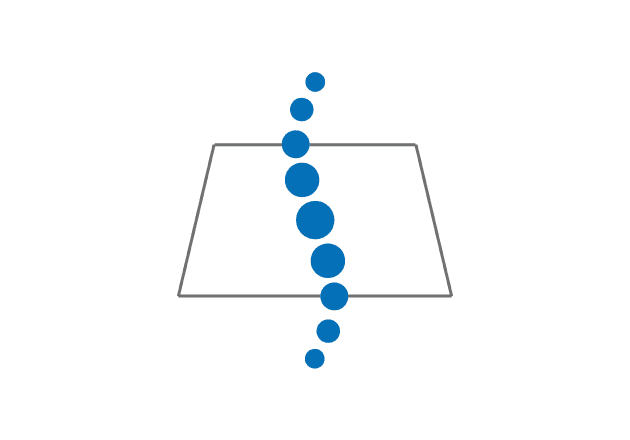
Targeting Front-to-Back Spinal Posture
Then the profile view, front to back. This is where a head carried forward of where it should sit, or a pelvis tipped out of position, shows up.
Step 4
Fine-Tuning Remaining Areas
We finish on the joints further along the chain: hip, knee and ankle, or shoulder, elbow and wrist. Small remaining areas of tightness and joint position, checked one at a time.
Our mandatory review
Every course has a compulsory review at the fourth appointment
We have always done this. At your fourth appointment we look at whether your pain has eased, whether you can do more, or both.
If nothing has changed, we refer you for further clinical investigation rather than carry on treating.
85%
of patients did not need further clinical investigation at their review
4
treatments in the Foundation Phase, including the review. A defined course, not an open-ended plan.
64%
had already tried other therapies before they came to us
Almost70%
came to us with back pain. It is what we deal with day in, day out.
From the clinic's own audit of the last 100 patients who completed the Foundation Phase.
What makes this easier/comfortable from what you have tried before
Not because the profession is different, but because of how this clinic works.
No exercise programme to take home
You will not leave with a sheet of exercises to get through. That is deliberate. We steady the joint first.
Precise, instrument-assisted adjustments
Adjustments are made with instruments rather than purely by hand to make it more comfortable and easy for you. Very small, measured movements to one specific joint, and nothing else which makes rapid response more likely in our experience. The attention to detail is the point.
The same protocols, whoever you see
Every practitioner at the clinic follows the same documented protocols. What you get does not depend on which clinician you happen to be booked with.
Short appointments, and few of them
Treatments are 15 minutes. Most people are managed with occasional appointments once the initial course is done, rather than an open-ended weekly commitment.
From our founder
Why aren't you getting better quickly?
Have you noticed that recovery after an injury can sometimes feel frustratingly slow? Whether it's a back, knee, hip, neck or shoulder problem, rehabilitation often takes time and persistence.
Early in my career, I noticed the same thing. During my physiotherapy training, I would often introduce exercises early in the rehabilitation process, yet some patients appeared to make slower progress than expected.
It led me to ask whether there was something that needed attention before the exercises themselves. I became interested in the relationship between movement, alignment and the structures that support the body. Over time, I developed an approach using very small, precise adjustments, which we now call micro-manipulation.
We call the method our Core Integrity Protocols, though the name matters far less than what it means in the room: a low-force, highly targeted intervention, and small precise changes directed by examination findings and with the focus on rapid response and comfort whilst treating.
In our experience, some patients seem better able to engage with exercise-based programmes when this work is carried out first. They may then go on to participate more comfortably and confidently in exercise programmes, whether provided by us or by other healthcare and rehabilitation professionals.
Every patient is different, and treatment outcomes vary from person to person. What does not vary is the method: a precise, individual approach, decided by what we find at your examination. Recovery is a partnership between you, your clinician and the right technology.
Come and find out whether we can help. The first fifteen minutes are free, and if we are not the right people we will say so and point you somewhere more suitable to your condition.
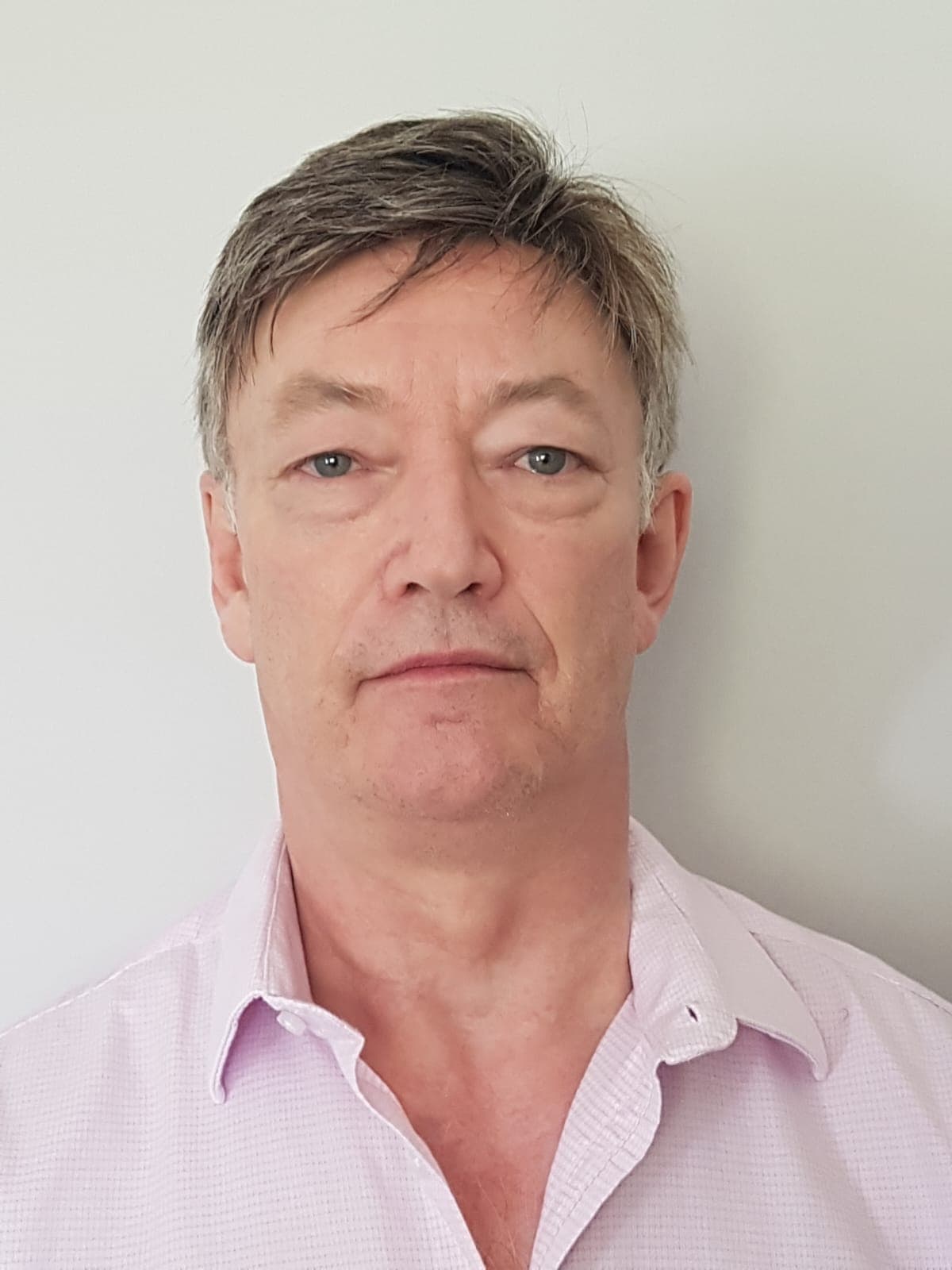
Dr David Eldridge, Founder

Staying well
Small things, before you feel them
Every step you take places forces through the body. Whether you're walking on pavements, training in the gym, or simply going about daily life, your joints, muscles and other tissues are continually adapting to those demands.
Most of the time, the body manages these everyday stresses remarkably well. However, over time, small changes in movement, posture or loading patterns can sometimes contribute to discomfort or reduced function, particularly in areas that are already under strain.
We use technology to help athletes improve their performance. When treating athletes, we monitor their posture and joint position very regularly. We now use the same approach to help people with everyday joint pain, but because most individuals do not put their bodies under the same intense pressure, we can treat much less frequently, depending on each individual’s need.
During treatment we reduce unnecessary movement in a painful joint. In our experience, this makes the process of treatment not only more rapid in terms of response but also more comfortable. This approach protects the tissues that keep the joint stable and gives them time to recover. If the joint needs to be moved later as part of your treatment, we can do so without placing extra strain on the structures that provide stability.
Because the body works as an interconnected system, changes in one area can sometimes influence how other parts move and feel. This is one reason why we take a whole-body approach when assessing our patients.
Once a patient has completed the Foundation Phase, this literally means we are working from a stable base and we can manage your condition strategically, depending on your need. This is similar to the approach we use for athletes because we are aiming to maximise your “performance” and most importantly help to prevent other problems developing, but with far fewer treatments than we use in elite sport.
These appointments exist to check how you are moving and functioning, and to pick up anything small before you feel it.
This can be particularly valuable for people who lead active or physically demanding lives, although every patient is different and follow-up care is always tailored to individual needs and preferences.
Once stable, we recommend we see patients infrequently, to maintain the anatomical position, depending on need.